Job sites across Georgia and Alabama pick up speed in spring and stay busy into the fall. The work is fast, the margins are tight, and delays are expensive! That’s why the wrong diesel tank rental could easily end up costing you a lot more than the per-gallon price of fuel. After all, when you run out mid-shift, you’ve got idle crews and lost revenue on your hands.
Whatley Oil helps project managers source targeted diesel storage tank rentals for fast-moving site work, clearing jobs, and short-term construction projects — oh, and peace of mind about regulatory compliance.
Wondering whether you need 500-gallon portable tanks or double-wall high-capacity units? We’ve got you. Here’s a quick, five-step rundown of how to choose the best setup for your next job.
FIRST: Know Your Site’s Fuel Demand
Start with a quick calculation based on how many machines you’re running, their tank sizes, and expected refueling intervals. Many short-term site prep jobs only need a 500 gallon diesel tank, but jobs with multiple pieces of equipment might require something larger to avoid frequent deliveries.
Some contractors prefer to take delivery only once per week or even biweekly. Others want smaller tanks and more frequent fills to minimize the risk of onsite spills. Either way, your choice should match the rhythm of your work. Reliable diesel delivery doesn’t mean much if the tank itself is the bottleneck.
How do I know what size diesel tank rental I need?
The right tank size depends on three things: how many machines you're fueling, how much diesel they burn each day, and how often you'd like fuel deliveries. A smaller tank with more frequent deliveries often works well for shorter projects, while larger operations may benefit from higher-capacity storage.
NEXT: Choose Between Single-Wall & Double-Wall Tanks
Construction project managers often ask whether they need the extra protection of a double-wall diesel fuel tank rental. It depends on two main factors: local compliance and the site’s risk profile.
Tank Type |
Best For |
Main Advantage |
|
Single-wall tank |
Lower-risk sites with existing spill containment |
Easier to transport and lower rental cost |
|
Double-wall tank |
Regulated jobsites or projects needing additional containment |
Built-in secondary containment and added environmental protection |
Need help deciding which tank type meets local guidelines? Our team can help ensure your setup is compliant from day one.
THEN: Factor in Portability and Site Layout
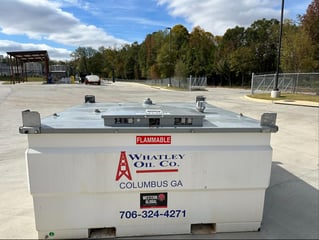
Not all diesel tank rentals are created equal when it comes to mobility. Portable diesel fuel tank options are ideal when jobs move fast, when space is tight, or when access roads make larger setups impractical.
Smaller tanks can be delivered with the fuel already inside and positioned exactly where needed — on the pad, near a mobile office, or in a staging area close to the equipment. Larger tanks may require more planning around placement and security.
A well-placed tank saves time every shift. Make sure it’s easy to reach and positioned to reduce backtracking.
Where should a portable diesel fuel tank be placed?
A portable diesel fuel tank should be located where equipment can reach it easily without creating unnecessary travel across the jobsite. The goal is to reduce refueling time while maintaining safe access for fuel deliveries.
ALSO: Match Rental Duration to Your Timeline
Construction fuel needs don’t always align with rigid long-term contracts. We often recommend short-term diesel tank rentals as a better fit for dirt work, land clearing, or temporary site prep projects. You can rent a tank for just a few weeks, then scale up or down depending on how things go.
We also support seasonal companies who do the bulk of their business in the spring and summer. Maybe you’re operating through November or just need coverage for a quick 2-week project. No sweat! We’ll get a tank on site fast and pick it up just as quickly when you’re done.
When does renting make more sense than buying?
Diesel tank rentals are often the better choice for temporary construction projects, site preparation, seasonal work, and jobs that don't justify permanent fuel storage.
FINALLY: Don’t Overlook Lubricants
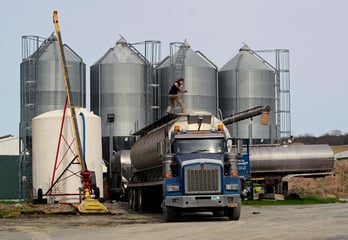
Many contractors schedule diesel fuel and lubricant deliveries together so both products arrive on the same truck and inventory stays easier to manage.
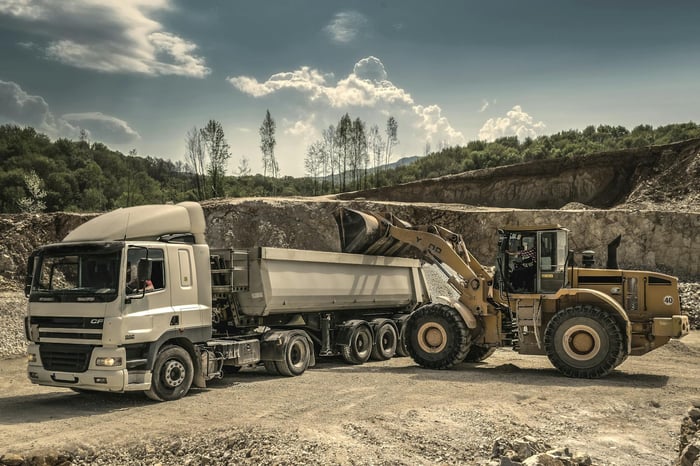
The fuel is just one thing keeping those dozers, scrapers, and trackhoes moving. Another big part of a seamless operation is the hydraulic fluids and diesel engine oils that protect them under pressure. We stock high-demand lubricants for contractors in construction, farming, logging, and waste management. Hydraulic oil moves your blades, buckets, and arms. Engine oils keep your uptime high and repair costs low.
Ask about pairing your fuel delivery with a supply of lubricants tailored to the machines on your site. We can deliver both together and keep your job running smoothly from first start to final grade.
Construction Fuel Support You Can Count On
You can’t think of tank delivery, diesel refueling, and emergency response as just “services.” They’re make-or-break guarantees on today’s construction sites. The Whatley Oil team prides ourselves on three things above all else: Speed. Transparency. Dependability.
Give us a call whether you’re just pricing out diesel tank rentals or ready to go ahead and schedule your first drop-off. Our team knows what project managers are up against and how to keep your equipment fueled without delay. You can also explore our guide to choosing a reliable fuel partner. Contact us today to get your quote started!
FAQs
Many short-term site preparation projects can operate with a 500-gallon diesel tank, while larger jobs with multiple machines may require higher-capacity storage. The right size depends on fuel consumption, equipment count, and delivery frequency.
Single-wall tanks are often suitable where spill containment already exists or fuel volume is limited. Double-wall tanks provide built-in secondary containment and are commonly selected for regulated jobsites or projects with greater environmental concerns.
Yes. Short-term diesel tank rentals work well for land clearing, dirt work, temporary site preparation, and other projects that don't require permanent fuel storage. Rental periods can be matched to the length of the job.
A portable diesel fuel tank should be positioned where equipment can refuel efficiently while remaining accessible for fuel deliveries. Good placement helps reduce unnecessary travel and keeps daily operations moving.
A 500-gallon diesel tank is often appropriate for smaller jobsites or projects with fewer machines. Larger construction operations may benefit from additional capacity to reduce delivery frequency.
Renting allows contractors to match fuel storage to each project's size and duration without investing in permanent equipment. It's especially useful for seasonal work and temporary construction projects.
Yes. Contractors often coordinate diesel fuel deliveries with hydraulic fluids and diesel engine oils so fuel and lubricants arrive together. This simplifies ordering and helps keep equipment supplied throughout the project.
Whatley Oil helps contractors evaluate fuel demand, project duration, site layout, and local compliance requirements before recommending a tank. The goal is to match the rental to the way the jobsite operates rather than offering a one-size-fits-all solution.